Teaching
About My Work
As an educator in the field of theatre and dance, my commitment is to the development of the individual artist and their voice. I do my best to produce intelligent dancers – aware of their place physically, historically, philosophically, artistically, and aesthetically – rather than purely technicians. I often stress to my students how what they are currently doing in my class can relate to other techniques, styles, or performance. These connections are vital to creating well rounded, connected dancers, performers, choreographers, and future educators. I find it a vital resource for students to understand who they are and what they want to say to the world as they embark into the professional world.

"Musical Theatre Dance Video" Workshop at the American College Dance Association National College Dance Festival in Long Beach, CA (2023)
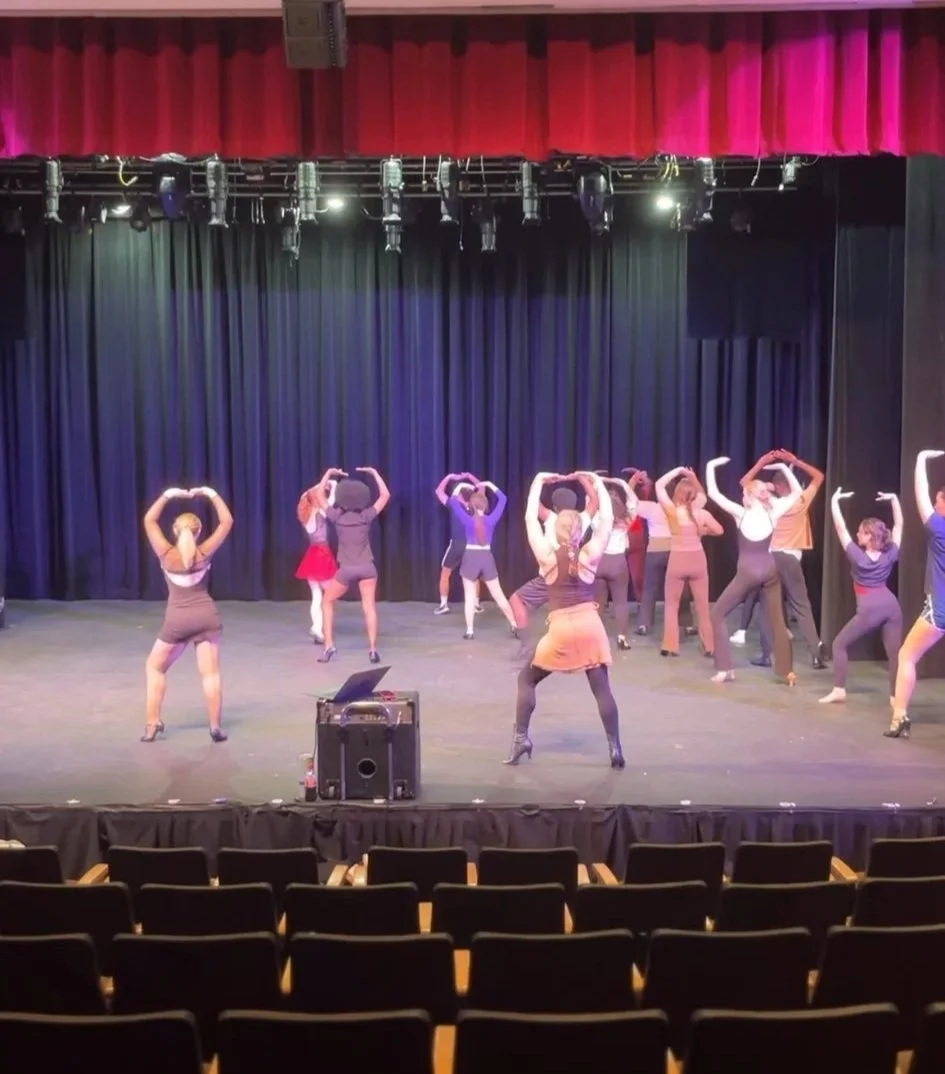
Teaching Musical Theatre BFA Dance Auditions at Valdosta State University
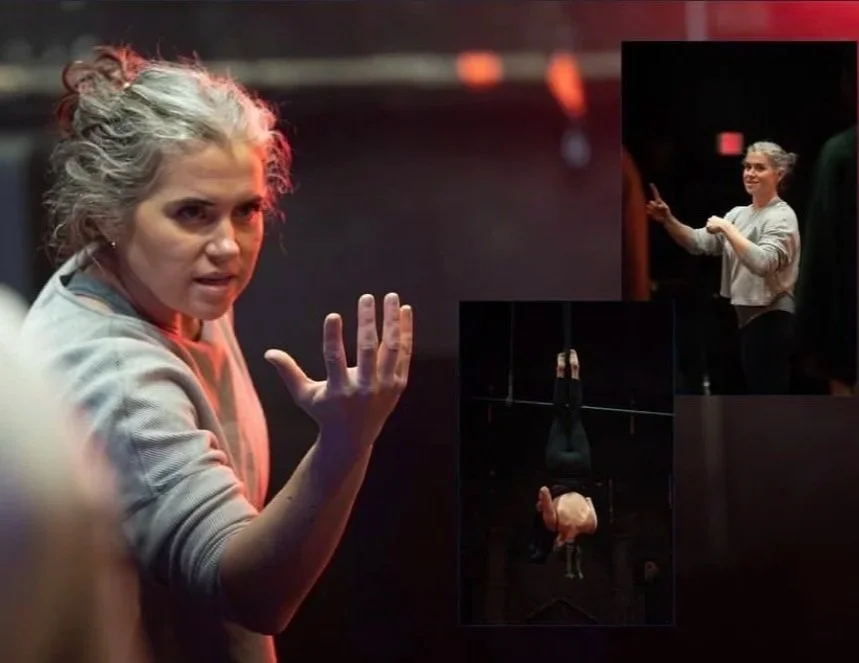
In rehearsal for "Freedom. Truth. Beauty. Love." at VSU - Photo by Madison C. Photography
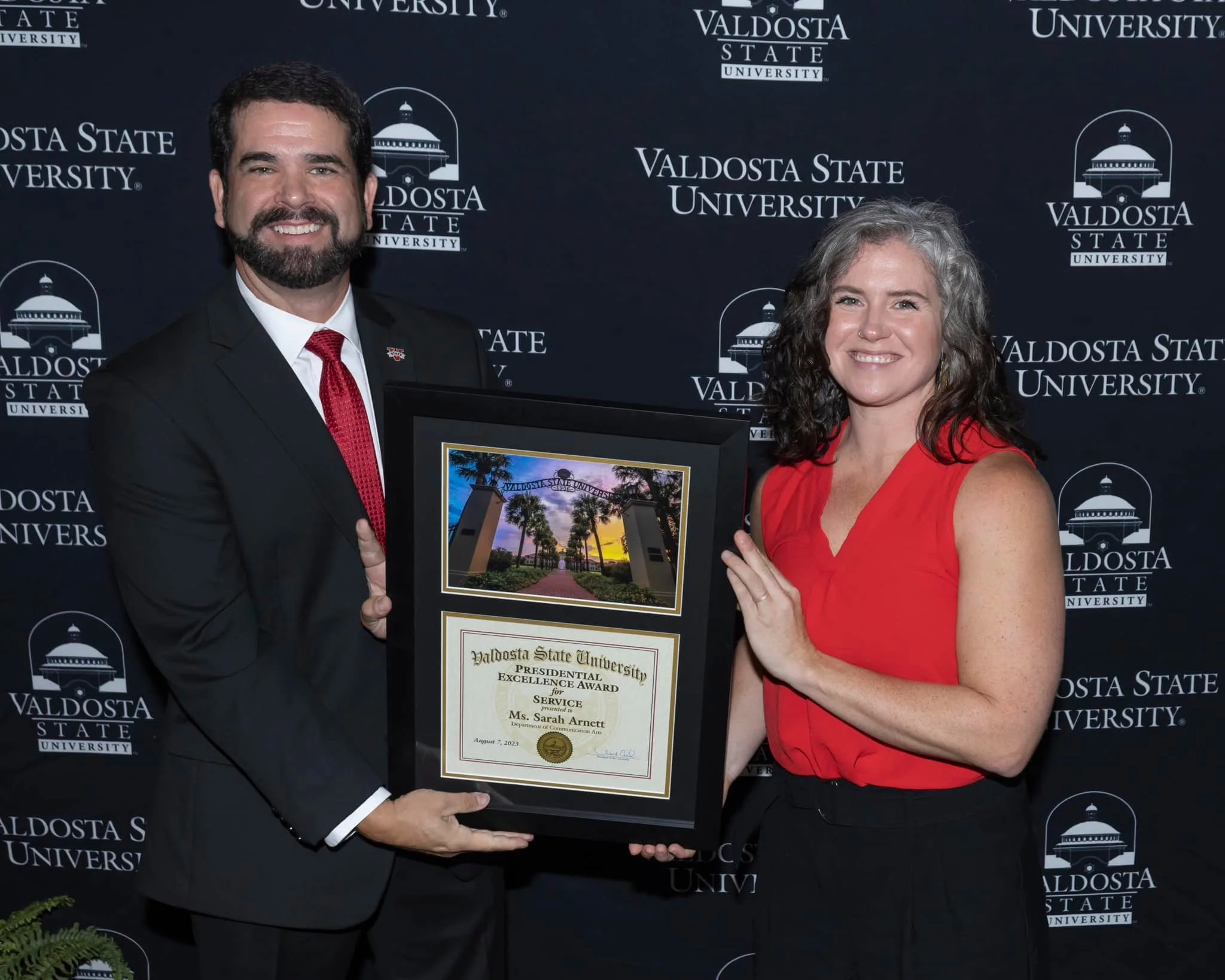
Receiving the Presidential Excellence for Service from Valdosta State University, pictured with President Richard Carvajal
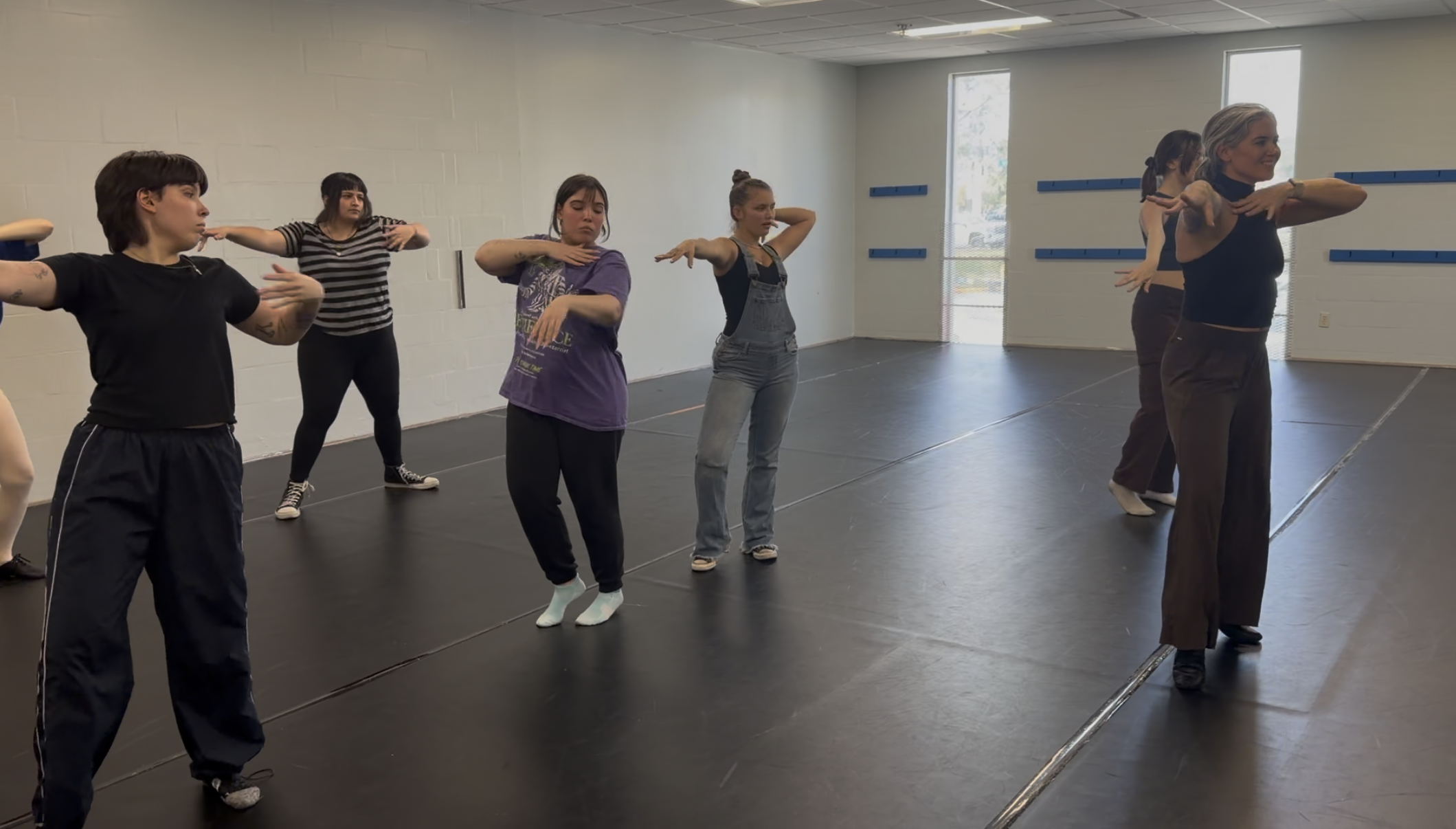
"Telling the Story" Workshop at the Florida Theatre Conference (Winter Haven, FL 2025)
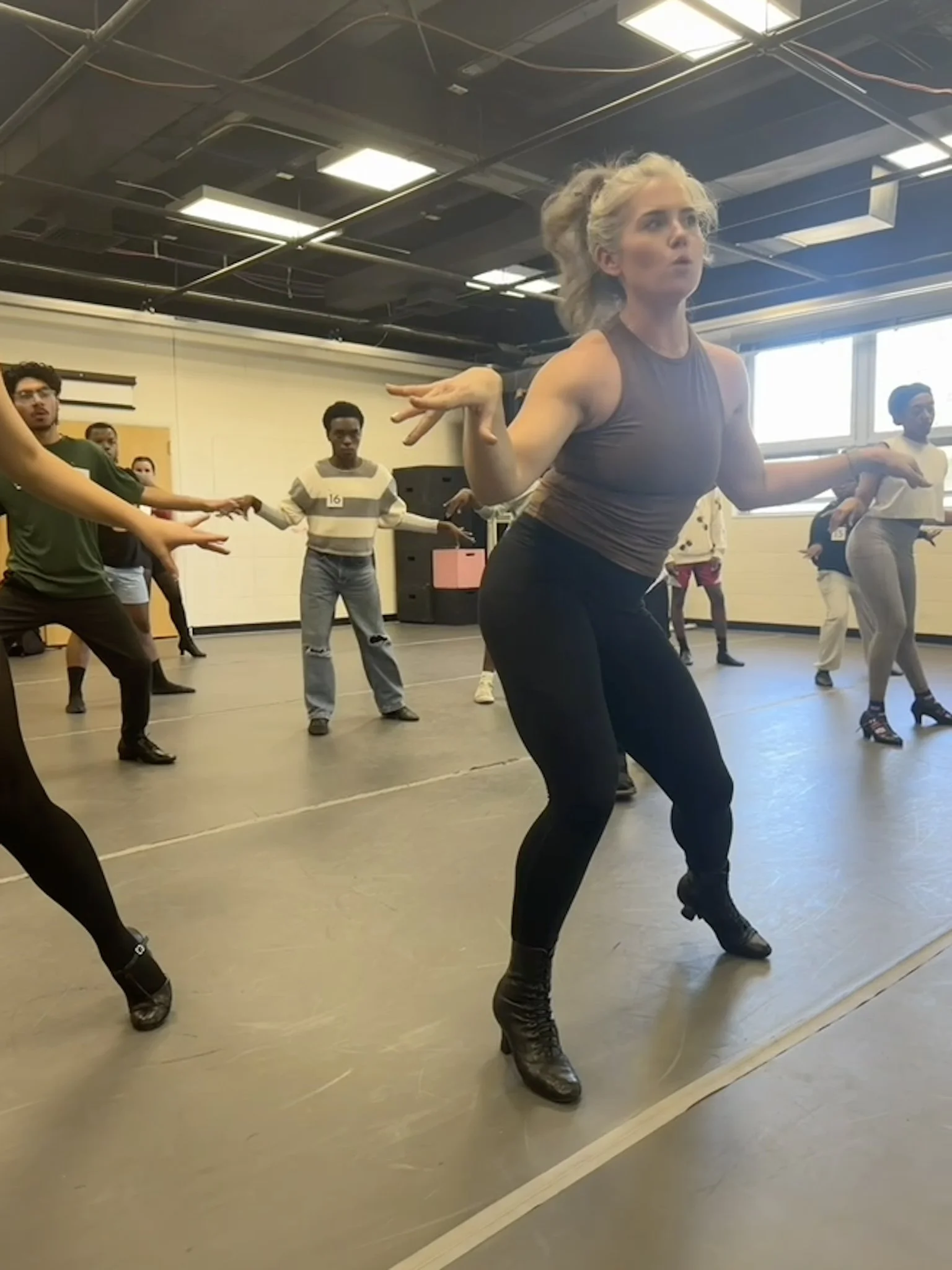
Teaching Musical Theatre BFA Dance Auditions at Valdosta State University
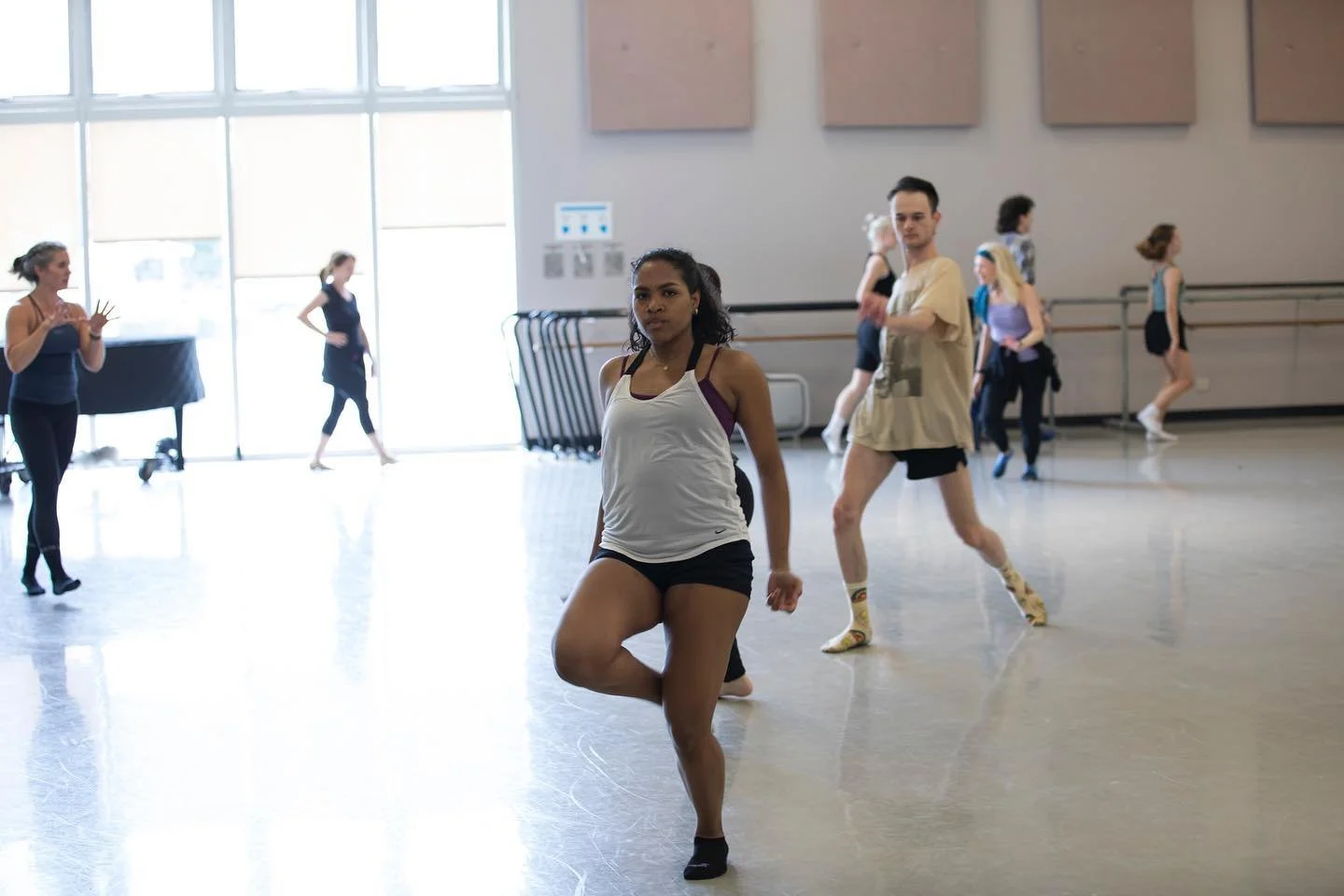
"Musical Theatre Dance Video" Workshop at the American College Dance Association National College Dance Festival in Long Beach, CA (2023)
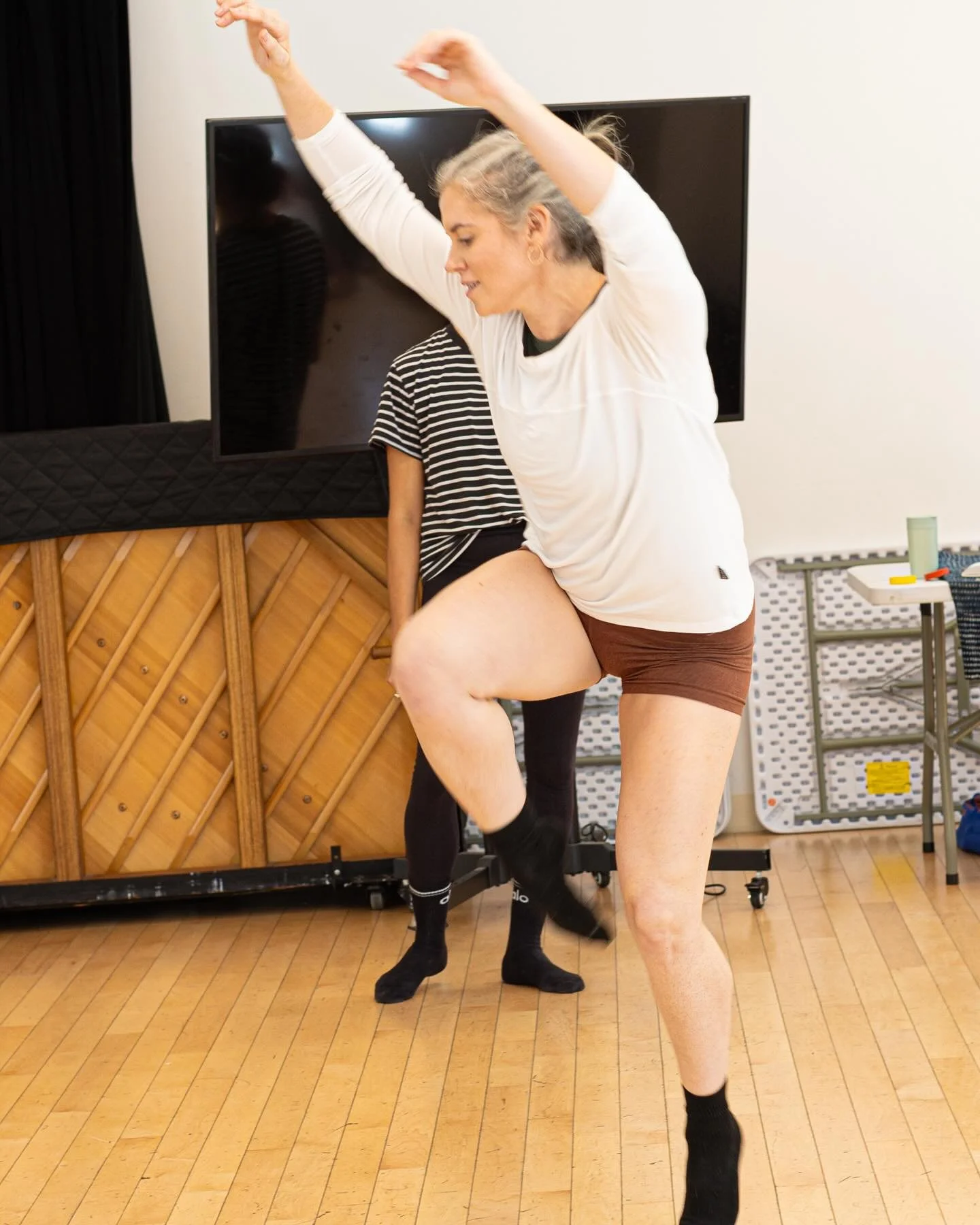
Uprooted Jazz Dance Teachers Workshop in NYC (2024)
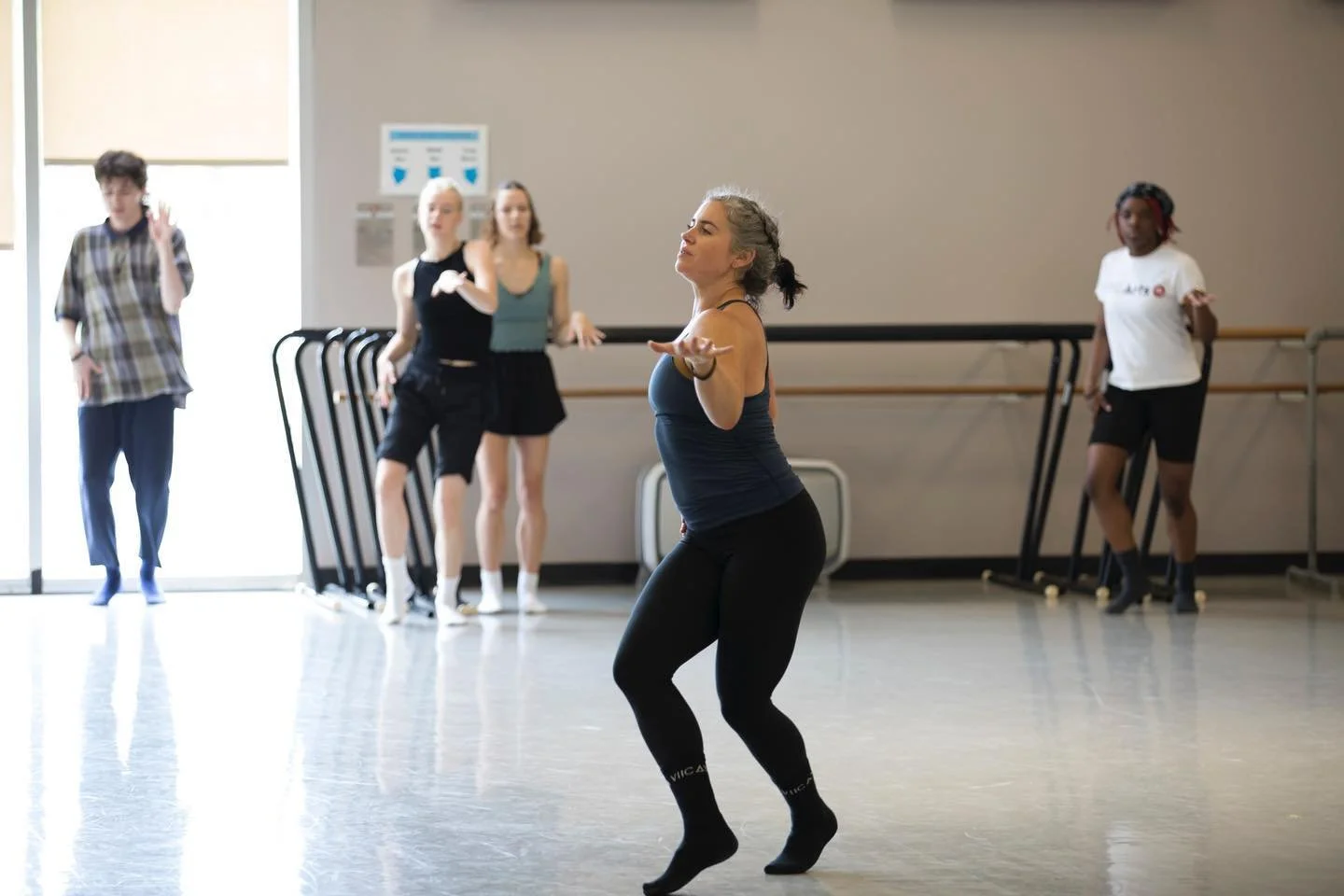
"Musical Theatre Dance Video" Workshop at the American College Dance Association National College Dance Festival in Long Beach, CA (2023)
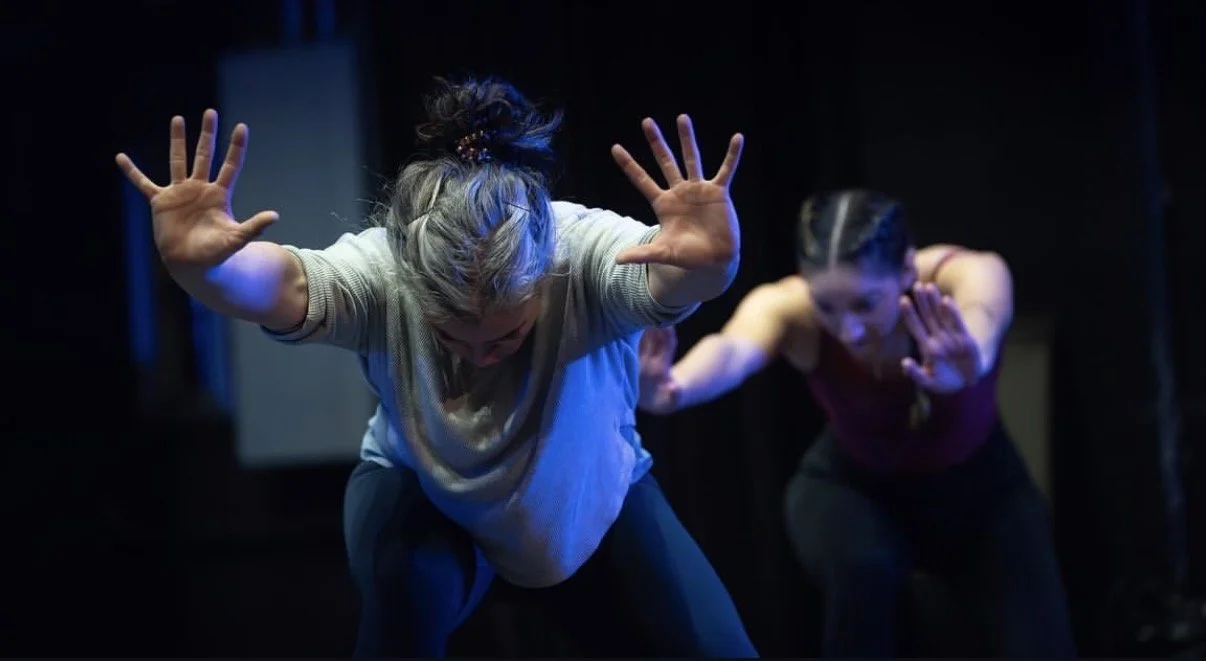
In rehearsal for "Freedom. Truth. Beauty. Love." at VSU - Photo by Madison C. Photography
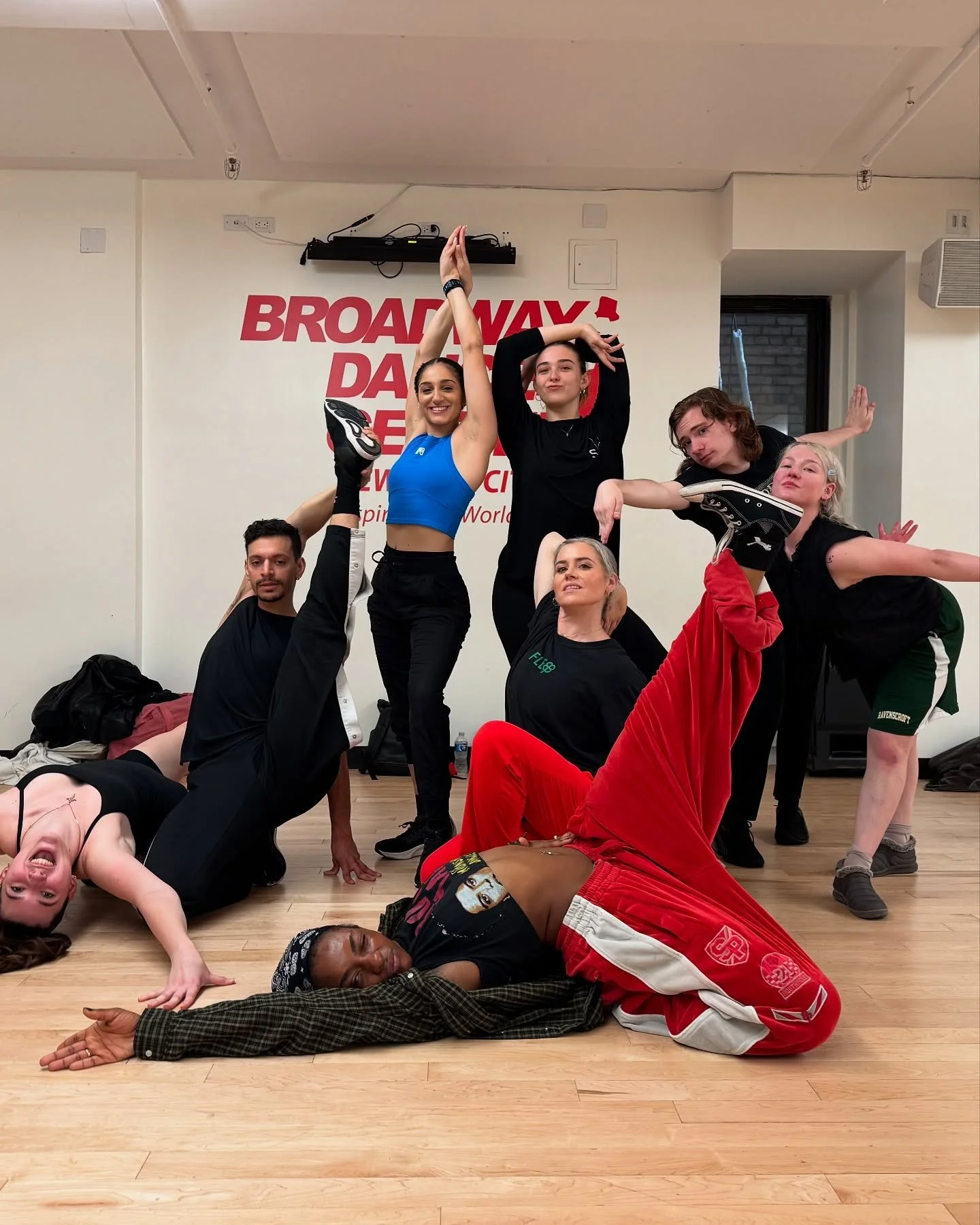
Spring Break Trip with VSU Students to NYC - Broadway Dance Center Voguing Class with Jason Rodriguez (2025)
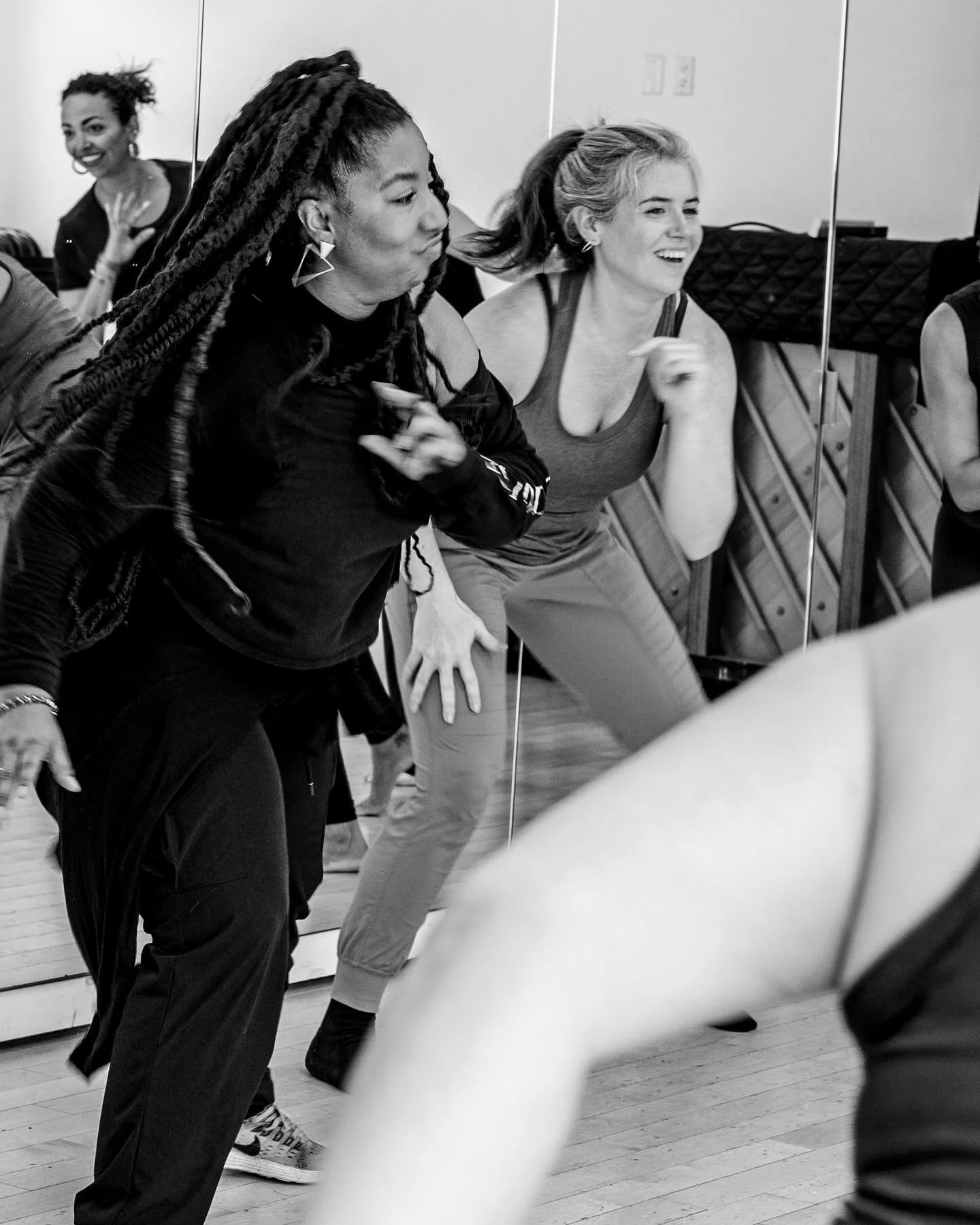
Uprooted Jazz Dance Teachers Workshop in NYC (2024)
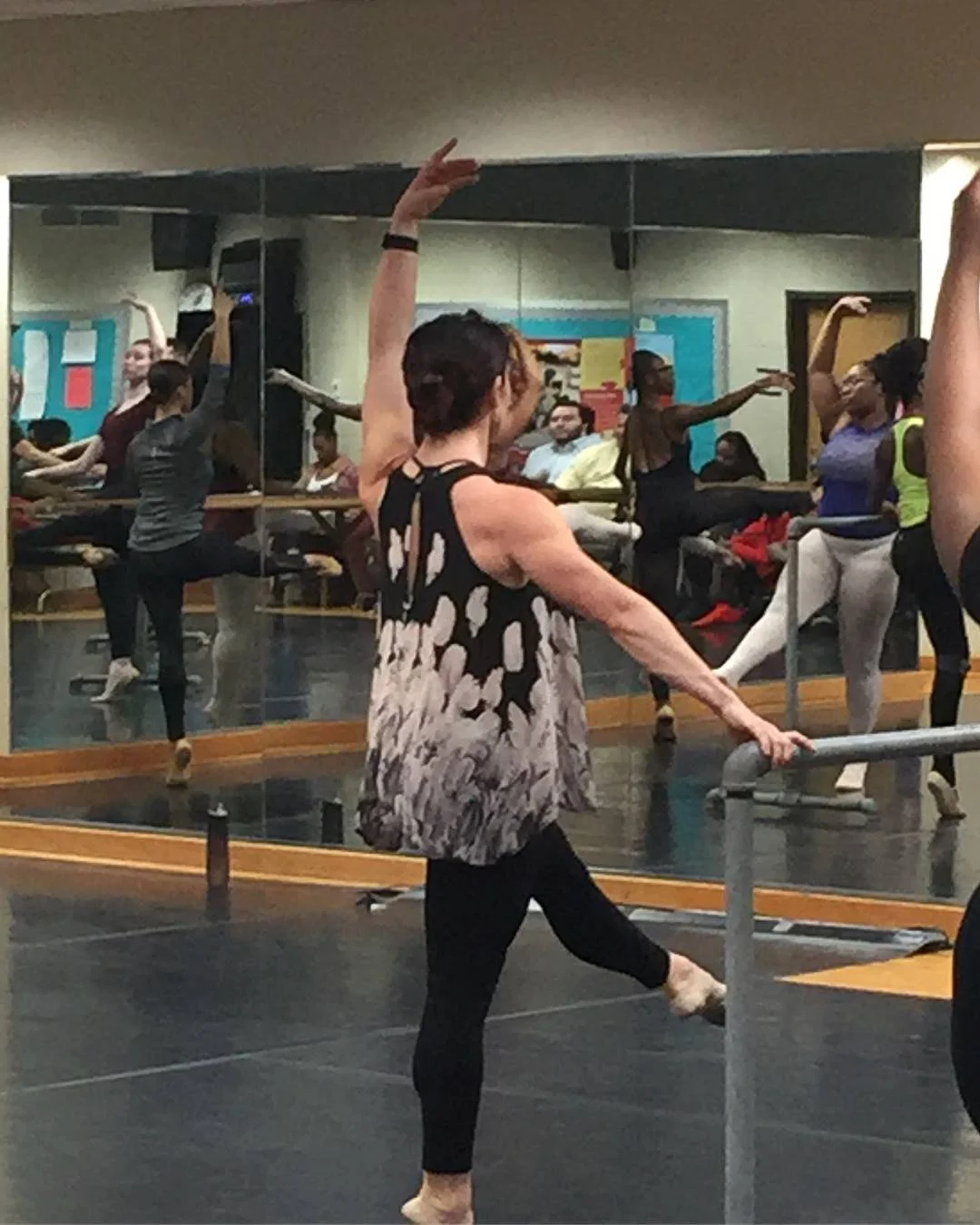
Teaching a Contemporary Ballet Class with guest Misty Copeland (on left) at Valdosta State University
In teaching dance technique and form, I believe that the dancer’s awareness, not only visually, but also in collaboration with their somatic and intellectual senses, is vital in the education and training of successful dancers. In many of my classes, we spend a great deal of time working through storytelling and expression as the cornerstone of their experience in class. This isn’t limited to choreographed combinations, but embedded in the technique from the first warm up. My students are pushed to think multi-dimensionally and are asked to always be ready for anything. My teaching focuses on understanding space as relativity rather than thinking of “right” and “left” sides, as that is rarely an applicable idea in choreography. The technique and approach asks students to immediately think about their surroundings and directions so that they can immediately train themselves to reverse combinations without heavy thought or can shift their “front” to any place in space. This has proved itself time and again in audition and rehearsal situations where dancers are asked to move quickly and alter choreography in the process. I encourage students to find and experience initiation and spatial relationships for themselves and then use my corrections or assistance to refine their understanding.
Rhythm – musically, internally, and that of the group – is a large focus of my classes and I ask the students to push their minds and bodies to work together to clearly perform movements in a specified rhythmic choice. My students understand that rhythm does not only apply to a relationship to music, but is also a function of the body at work. My students first master an internal rhythm through breath and connecting as a class before altering the phrasing to enhance musical rhythms. Once the class understands their internal and ensemble rhythms, we move forward into specificity and intricate rhythms that layer what they hear through interaction and reaction, rather than simply mimicking the rhythms heard in the audio choices. My background as a musician (percussion and voice) and my experience in the industry is something that brings a unique perspective to this approach. My tap background is in both theatrical and rhythmic tap styles, and I draw from my own experiences as a percussionist in the understanding of musicality between movement, sound and rhythm.
For theoretical courses, I focus primarily on the function of dance and social connection. Students learn about the history of dances and people, but are accessing the information through the “why” of dance. I ask the students to relate their findings back to their own experiences and understanding of the world. I find it important that they are able to understand performance and participatory dances in a way that they can relate to, rather than something foreign and inaccessible. Regardless of my body of students and their level of ability, I hope to share my passion for the beauty and artistry of expression in a way that is accessible and thoughtful. I encourage students to understand the historical connotations of classical training, the rooted history of ancestral dance forms and borrowed movements, while accessing contemporary thoughts about the use and presentation of the body.
My personal philosophy of continued learning includes the training of my own skills to stay current in the field and challenge my own senses and creativity in my work. I regularly take class with other professionals and work in New York City on a regular basis. I have a great commitment to maintaining my professional connections and work as it only strengthens my possibilities as an educator.